
The biggest way to increase aesthetic practice revenue may already be sitting in the treatment chair.
Why Do Patients Say No to Aesthetic Treatments?
Patients who come in for injectables, facials, or other aesthetic treatments are often interested in doing more, but that doesn’t always translate into action. Concerns about results, pain, downtime, cost, or simply not understanding their options can keep patients from moving forward with higher-value treatments.
For providers, overcoming these barriers isn’t about pushing patients to spend more. It’s about understanding what’s holding them back and helping them see which treatments may better address their goals.
But how do you upsell patients without being pushy? And how do you overcome patient treatment barriers?
Here are five common objections patients make and how the right technology and treatment approach can help you overcome them.
01. Will I Actually See Results From My Laser Treatment?
One of the biggest questions patients have before investing in an aesthetic procedure is simple: “Will it actually work?”
Patients may be hesitant to spend more on a treatment when they aren’t confident they’ll see a meaningful difference. This can be especially true for patients who have already tried skincare, facials, injectables, or other procedures without achieving the improvement they expected.
Instead of simply recommending a treatment, you can manage expectations by:
- Helping patients understand what exactly you’re treating
- Explaining why you’re recommending a particular treatment
- Setting clear expectations for the kind of improvement they can realistically expect
- Using compelling before-and-after photography, clinical case examples, and treatment plans
UltraClear® gives providers another advantage: versatility. Its 2910 nm cold fiber laser technology allows providers to address a range of common aesthetic concerns, including wrinkles, uneven skin tone and texture, pigmentation, scars, and excess skin, with customizable treatment options and varying levels of downtime to accommodate patients’ individual needs and lifestyles.
That can make it easier to build treatment plans around the patient’s actual concerns rather than trying to fit every patient into the same procedure.
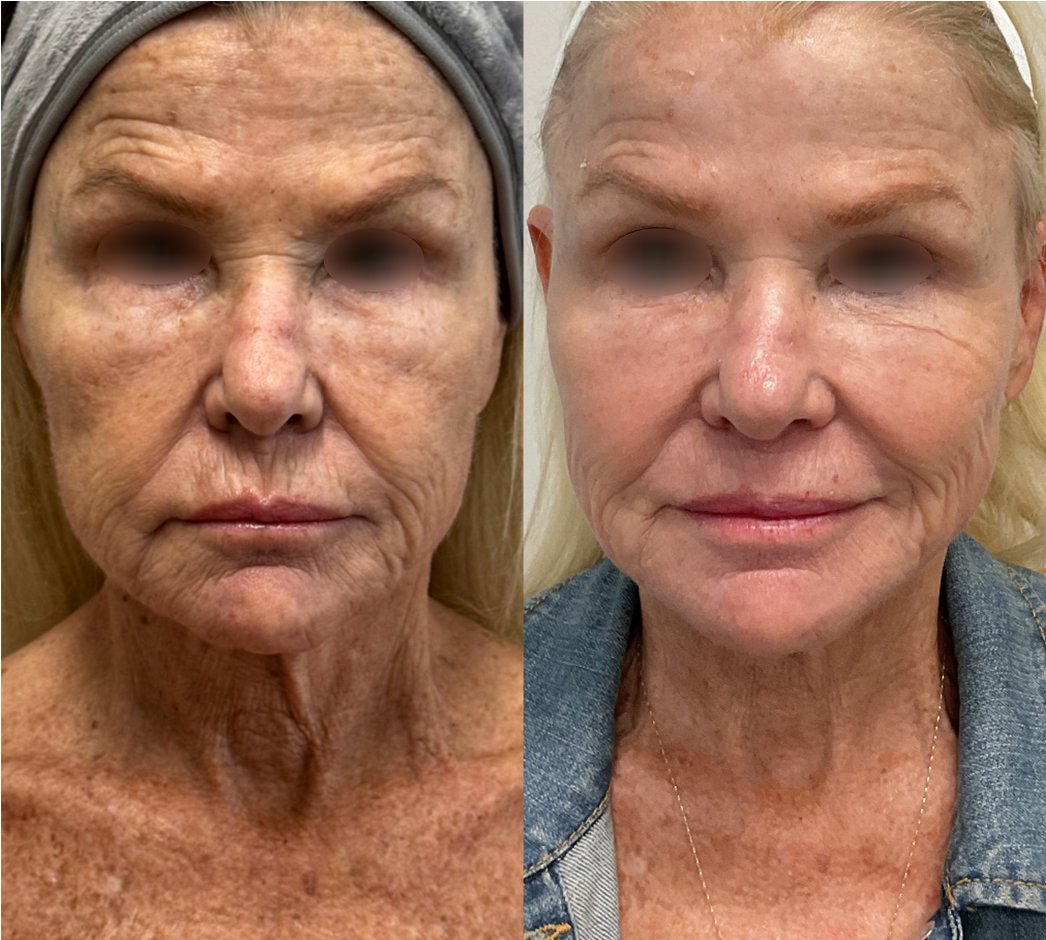
Photo courtesy of Joanna Chan, MD
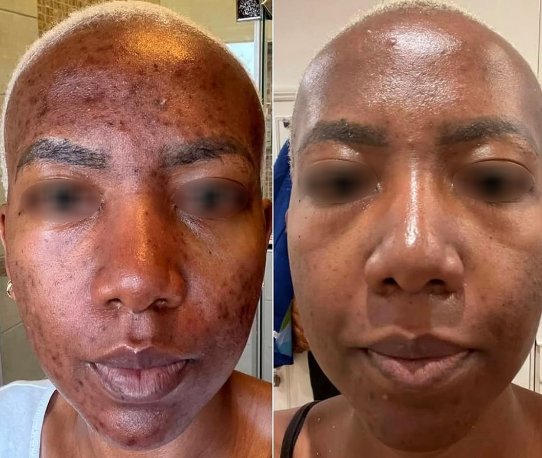
Photo courtesy of Pranav Pancholi, MD
02. Are Laser Skin Resurfacing Treatments Painful?
Some patients assume laser treatments are going to be painful. In fact, one study found that when considering fiber laser technology, 43% of patients named “little to no pain” as the most important deciding factor.
Providers can help overcome this barrier by talking openly about the treatment experience, not just the outcome.
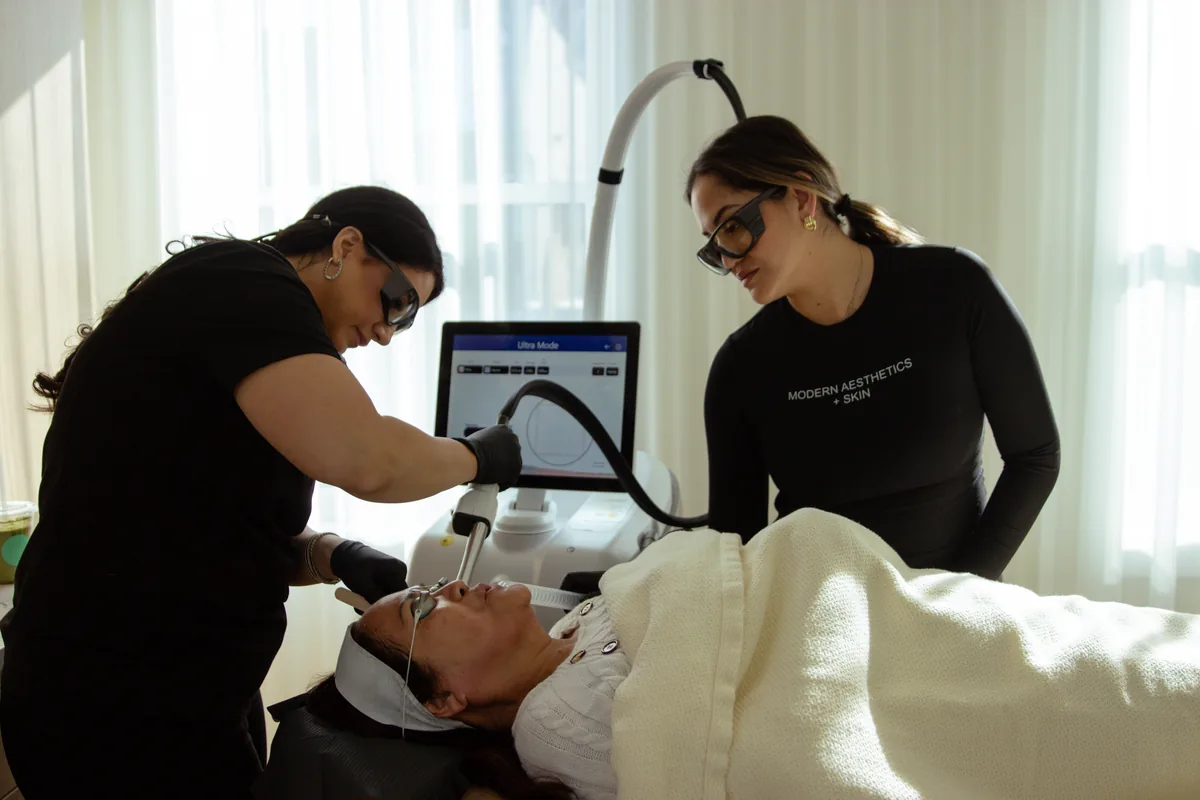
UltraClear uses proprietary 3DIntelliPulse® technology that uses 95% of the energy to ablate tissue, leaving only 5% of residual heat. That means providers can offer patients a modern approach to laser resurfacing and customize treatment intensity based on their goals, comfort level, and desired recovery.
Instead of asking patients whether they’re willing to undergo “laser resurfacing,” the conversation becomes: “What level of treatment are you comfortable with to achieve the result you want?”
03. How Much Downtime Will I Have With Laser Skin Resurfacing?
Your patients may want better skin, but they also have jobs, families, travel, social events, and schedules that don’t stop for aesthetic treatments.
For many patients, downtime isn’t just inconvenient. It’s the deciding factor.
Traditional ablative resurfacing can carry a reputation for significant recovery, which may cause patients to dismiss laser treatments before they ever seriously consider them.
UltraClear helps practices offer more flexibility. With customizable treatment options, providers can tailor treatments based on the patient’s concerns and tolerance for downtime, from lighter treatments designed around busy schedules to more comprehensive resurfacing when greater correction is desired.
This creates an opportunity to change the conversation from “Do you want laser resurfacing?” to “How much downtime works for your lifestyle?”
When treatment can fit the patient (not the other way around), more patients may be willing to consider it.
04. Why Would I Need Laser Treatments When I Already Get Injectables?
Injectables have become a familiar entry point into aesthetics. Patients understand Botox. They understand filler. But sometimes, they don’t know what else is out there.
They may not understand why correcting volume or movement doesn’t necessarily address the quality of the skin itself.
That’s where providers have an opportunity to educate.
A patient may initially come in concerned about lines around the mouth, for example, but a comprehensive consultation may reveal additional concerns such as photodamage, uneven texture, pigmentation, or sagging skin.
Rather than positioning energy-based treatments as a replacement for injectables, practices can explain how different modalities address different components of facial aging:
- Injectables: address movement and volume
- Laser treatments: address the skin itself
UltraClear allows providers to address multiple skin concerns with one platform, making it easier to incorporate laser treatments into comprehensive aesthetic plans alongside injectables and other services.
The result is a more holistic conversation about what the patient actually wants to improve.
05. “I Didn’t Know That Was an Option.”
And finally, sometimes the biggest barrier to increasing patient treatment adoption isn’t the patient: it’s the consultation.
Patients don’t know what they don’t know. They may come in asking for the treatment they’ve heard about on social media or the same injectable they’ve received for years because they aren’t aware of other options.
If providers only respond to what patients specifically request, opportunities to introduce treatments that may better address their goals can be missed.
Try shifting the consultation from treatment-first to concern-first. Aesthetic consultation questions can include:
- “If you could change one more thing about your skin, what would it be?”
- “How important is downtime when you’re considering a treatment?”
- “Are you looking for maintenance, or would you like to see a more noticeable change?”
- “Are there concerns that your current treatments aren’t addressing?”
Those questions can uncover needs patients haven’t voiced and create a natural opportunity to discuss additional treatments.
Bottom Line: Upselling Doesn’t Have to Feel Like Selling
The most effective aesthetic upsell starts with a treatment plan, not a sales pitch.
When providers focus on patient concerns, treatment goals, comfort, and downtime, additional treatments become part of a comprehensive treatment plan rather than a traditional sales conversation.
For practices, that can mean greater treatment adoption, more comprehensive patient plans, and increased value from patients already walking through the door.
With customizable treatments powered by 2910 nm cold fiber laser technology, UltraClear® gives providers the flexibility to tailor treatment to each patient’s goals, comfort level, and desired downtime, helping more patients confidently say yes to the results they want.
Ready to expand what’s possible for your patients and your practice? Discover how UltraClear can help you build more comprehensive treatment plans and turn everyday consultations into opportunities for long-term patient growth.
Frequently Asked Questions About Increasing Aesthetic Treatment Adoption
How can aesthetic practices increase treatment revenue?
Aesthetic practices can increase treatment revenue by improving consultation strategies, educating patients about complementary treatments, addressing common barriers such as pain and downtime, and creating comprehensive treatment plans based on patient concerns rather than individual procedures.
How do you introduce new treatment options to patients?
Focus on the patient’s goals rather than the treatment you want to sell. Ask about concerns their current treatments aren’t addressing, explain appropriate options, set realistic expectations, and allow the patient to decide which treatment plan fits their goals, budget, and lifestyle.
How can aesthetic practices increase laser treatment adoption?
Patient education is key. Address common concerns about results, pain, downtime, and cost during the consultation, and use before-and-after photography, clinical examples, and individualized treatment plans to help patients understand what laser treatments may accomplish.